What Actually Happens During a Hail Damage Insurance Claim
Hail bruises a shingle without necessarily tearing it, which is exactly why the contractor documenting the damage matters as much as the damage itself.
September 9, 2026 · 3 min read
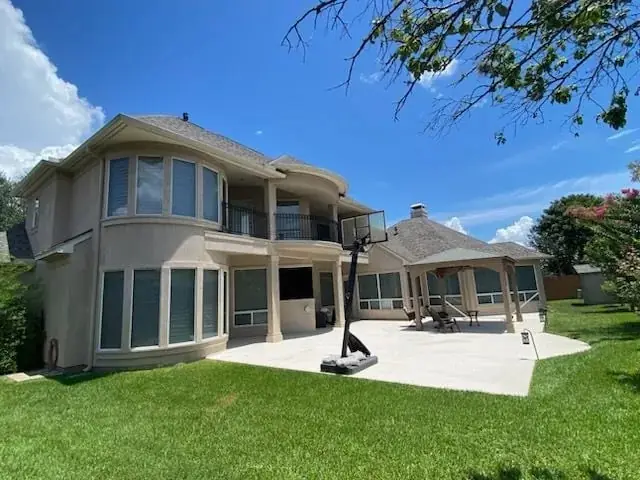
Wind damage is easy to spot. A shingle is missing or it isn't. Hail is a different animal entirely. It can bruise the mat underneath a shingle without tearing the surface at all, which means a roof can be genuinely compromised and still look completely fine from the driveway the morning after a storm rolls through. That gap between what actually happened and what's visible from ground level is where an experienced contractor earns their keep, and it's also exactly why homeowners are advised not to climb up and check it themselves, whatever the temptation after a bad storm.
Why the inspection has to come first
Hail impacts leave patterns that someone trained to look for them can identify: soft spots where the granules have been knocked loose in a circular bruise, exposed asphalt mat where the surface has worn through, and impact marks on soft metal like gutters, roof vents, or window screens that corroborate the timeline of the storm. None of that is obvious from the ground, and getting up on a roof to check it yourself carries real fall risk for very little payoff when a professional assessment is a single phone call away.
Where experience actually shows up
Anyone can point a phone camera at a roof and take a few pictures. What separates an experienced crew is knowing exactly what an insurance adjuster needs to see, and documenting it that way the first time through: clear photos of each affected slope taken in good light, close-ups of individual impact points shot next to something for scale, and a written scope of work that matches replacement materials to what's already on the house rather than a generic line item copied from a template. Ameristar Roofing & Restoration works with most major insurance providers to help streamline that process, and reviews from the company's own customers describe exactly this kind of hands-on coordination, with one homeowner recounting how their contractor handled the entire claims conversation directly with the insurance company from start to finish.
That kind of coordination matters because a thin or generic report is where claims tend to run into trouble. An adjuster working from limited documentation has less to work with when deciding what's covered, and the homeowner is usually the one left going back and forth trying to get the gap closed weeks later.
Where homeowners lose ground without meaning to
The most common misstep is not acting quickly enough after a storm. Damage that's clearly tied to a specific wind or hail event right after it happens becomes harder to pin to that date the longer everyone waits, especially once another round of weather moves through the same season. Another is assuming the damage visible from the ground is the full extent of it, when hail bruising is often worse in spots nobody can see without actually getting up there. A third is treating the first estimate that shows up on the doorstep as the final word, without a second, independent inspection to compare it against.
What good documentation actually looks like
- Photos of every damaged section of the roof, not just the single worst spot
- Close-up shots showing the impact pattern clearly, with something included for scale
- A scope of work that matches replacement materials to what's currently installed
- A clear timeline connecting the visible damage to a specific, dated storm event
Questions worth asking before anyone climbs up
Ask how many hail claims the company has actually worked through, whether they'll be present when the adjuster does their own inspection, and how they document damage for an insurance claim differently than they would for a routine repair. A contractor who handles this regularly will have a clear, practiced answer without having to think about it, and won't need to look it up or check with someone else before responding.
Ameristar's Richmond, TX office serves Sugar Land, Rosenberg, College Station, Cinco Ranch, Fulshear, Greatwood, and the surrounding Fort Bend County area, and the office is reachable at (281) 238-4230 any time a storm has come through and you're not sure yet what you're actually looking at. The initial inspection is free either way, whether the answer turns out to be a routine repair or a documented claim.
Ameristar Roofing & Restoration, (281) 238-4230
Call (281) 238-4230More articles
What "CertainTeed Select ShingleMaster" Actually Means for Your Roof
Manufacturer credentials aren't a marketing sticker. They come with training requirements, and they're what makes a stronger warranty possible in the first place.
Roof Repair or Full Replacement? How the Decision Actually Gets Made
The line between fixing a section and replacing the whole roof is usually clearer than it feels standing on the ground looking up.